
Bridging the Gap: USDA Directs $500 Million to Protect Independent Meat Processors
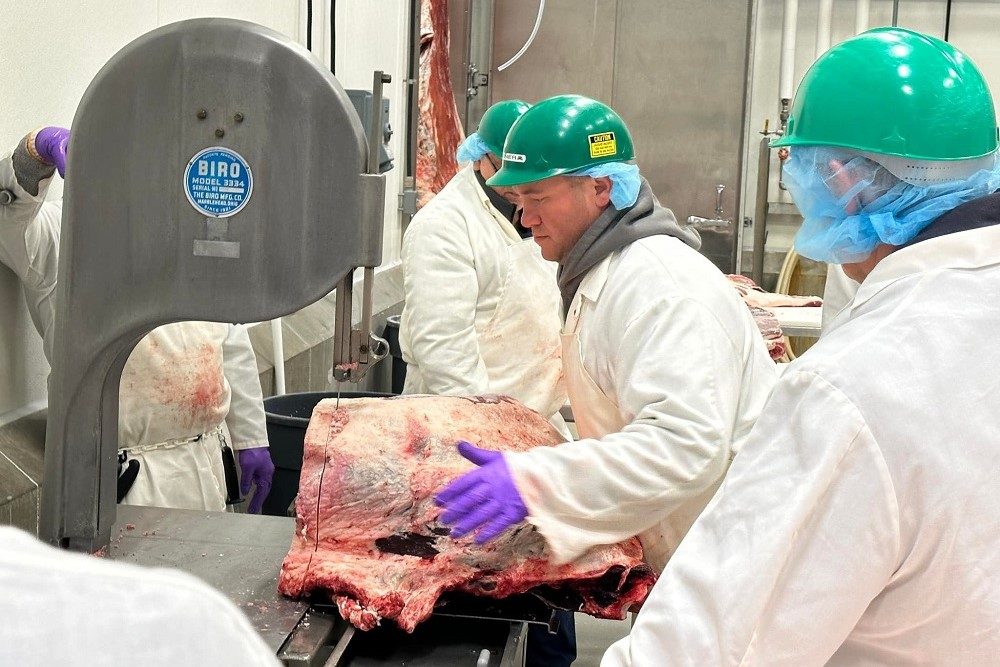
As livestock producers navigate the tightest national cattle inventory in decades, USDA is deploying a massive half-a-billion-dollar backstop to keep the nation’s independent meatpacking sector from crumbling under the pressure.
The newly unveiled Strengthening Processing for U.S. Ranchers (SPUR) Program will inject up to $500 million into small-and mid-sized federally inspected beef packing facilities across the country. Aimed strictly at facilities harvesting 2,000 head of cattle or fewer per day, the effort seeks to preserve independent processing infrastructure before a shrinking cattle herd forces regional plants to permanently throw in the towel.
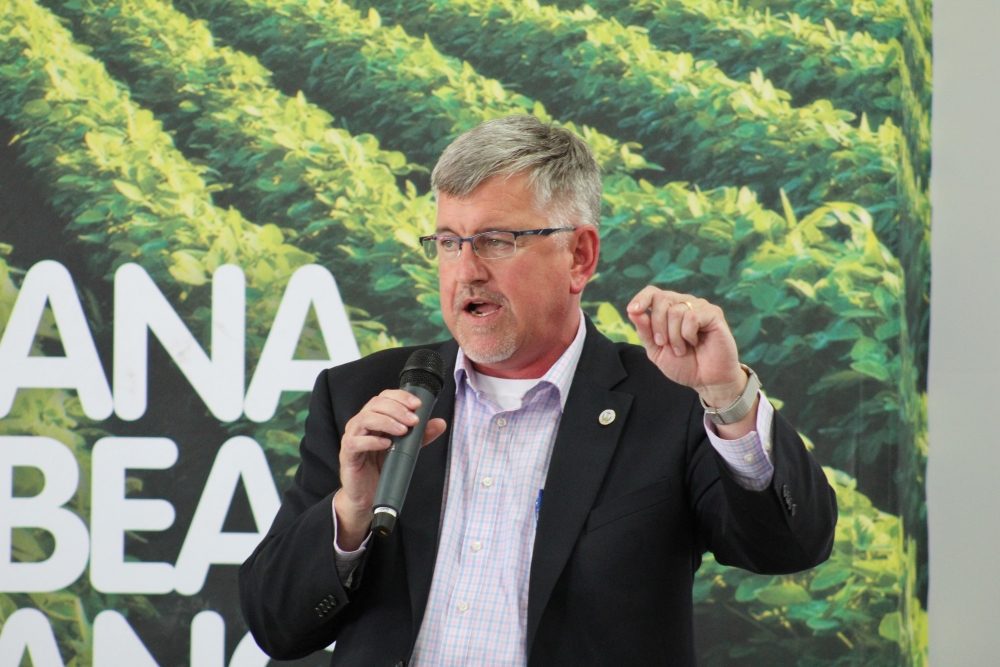
For USDA Undersecretary for Farm Production and Conservation Richard Fordyce—a fourth-generation Missouri farmer who raises corn, soybeans, and cattle—the strategy isn’t just about surviving today’s low livestock numbers; it’s about safeguarding the future market when herd expansion eventually takes hold.
“We’ve got to continue to ensure that the infrastructure stays in place,” Fordyce emphasized. “And again, that very, very important supply chain link from the farm or the ranch to the consumer needs to stay in place.”
Squeezed by Historic Lows
The economic reality facing regional packers is stark. Extended droughts across major grazing regions, compounding input costs, and high feed prices have led cattlemen to liquidate cows over recent years. While the resulting supply crunch has driven calf and feeder cattle prices to near-record highs, it has created a severe operational headwind for the slaughter facilities that sit in the middle of the supply chain.
Without enough head to run full shifts, small and regional processors face soaring per-head operating overhead. When smaller plants close their doors, cattle producers lose regional marketing channels—often forcing them to rely almost exclusively on the “Big Four” corporate meatpackers.
Fordyce warns that allowing regional processors to fail during this dry spell will create a devastating bottleneck when cattlemen begin holding back heifers and rebuilding the national herd.
“We need to ensure that critical processing supply chain link stays in place as we work on other fronts to increase the beef herd number,” Fordyce explained. “Because think about it—as we continue to work to increase that herd size, if we start to lose that very important link to the consumer, the processor, then we find ourselves in another problem a year or two or three from here.”
How the SPUR Program Works
Unlike standard USDA farm programs administered through local county Farm Service Agency (FSA) service centers, the SPUR initiative is being streamlined directly through federal headquarters in Washington, D.C.
The breakdown of the rollout includes:
-
Automated Data Sourcing: Eligibility and baseline numbers won’t require lengthy paper applications at county offices. USDA is leveraging existing inspection records from the Food Safety and Inspection Service (FSIS) to identify eligible plants.
-
Targeted Formula Payments: The USDA Chief Economist’s office is establishing calculation rates to deliver per-head payments directly to qualifying facilities.
-
Direct Outreach: Headquarter FSA officials will contact eligible small and mid-sized processors directly to notify them of their payment status and next steps.
What It Means for Midwestern Producers & the Broader Ag Sector
For cattlemen across Indiana, Michigan, and the broader Corn Belt, keeping local processors operational delivers several tangible benefits:
-
Preserving Local Market Competition: Regional processing plants give independent producers leverage. When small packers stay solvent, producers retain local bidding options rather than taking take-it-or-leave-it pricing from major packers.
-
Protecting Value-Added & Direct-to-Consumer Programs: Small and mid-size slaughterhouses are the lifeblood for farm-to-table operations, local branded beef labels, niche organic/grass-fed programs, and the USDA’s updated “Product of USA” labeling initiatives. Without local hook space, these higher-margin marketing avenues vanish.
-
Preventing Future Processing Bottlenecks: When cow-calf operators begin aggressive heifer retention to rebuild herds, processing capacity must be waiting for those finished animals. If plants shutter now, the industry will face a severe backlog—similar to the disruptions seen during the pandemic—sending local cash prices plunging while consumer beef prices skyrocket at retail.
-
Rural Economic Stability: Mid-sized processing plants serve as key rural employers. Directing CCC funds into this sector helps keep processing jobs in local communities during lean market cycles.
While the USDA continues to refine details on public disclosure and program tracking, officials stress that preserving this core link between the pasture and the dinner plate remains a top priority.
For Midwest cattle producers, the takeaway is clear: while the current market cycle is challenging for packers, keeping local hooks open today ensures a fair, open, and competitive marketplace when the next generation of cattle comes to market.
CLICK BELOW for Hoosier Ag Today’s radio news report:
“}]]